
DigitallyDating Intelligence
Dating Has Become a Nightmare for Men? What 2026 Creators Are Actually Saying

Scroll through men’s dating media in 2026 and a theme appears again and again: dating has become harder, more expensive, more confusing and less rewarding for men. Man Guide talks about men walking away. Darius M and MTR react to frustration and disengagement. Fresh & Fit turns competing standards into long-form debate. Whatever puts the same tensions in front of rotating panels.
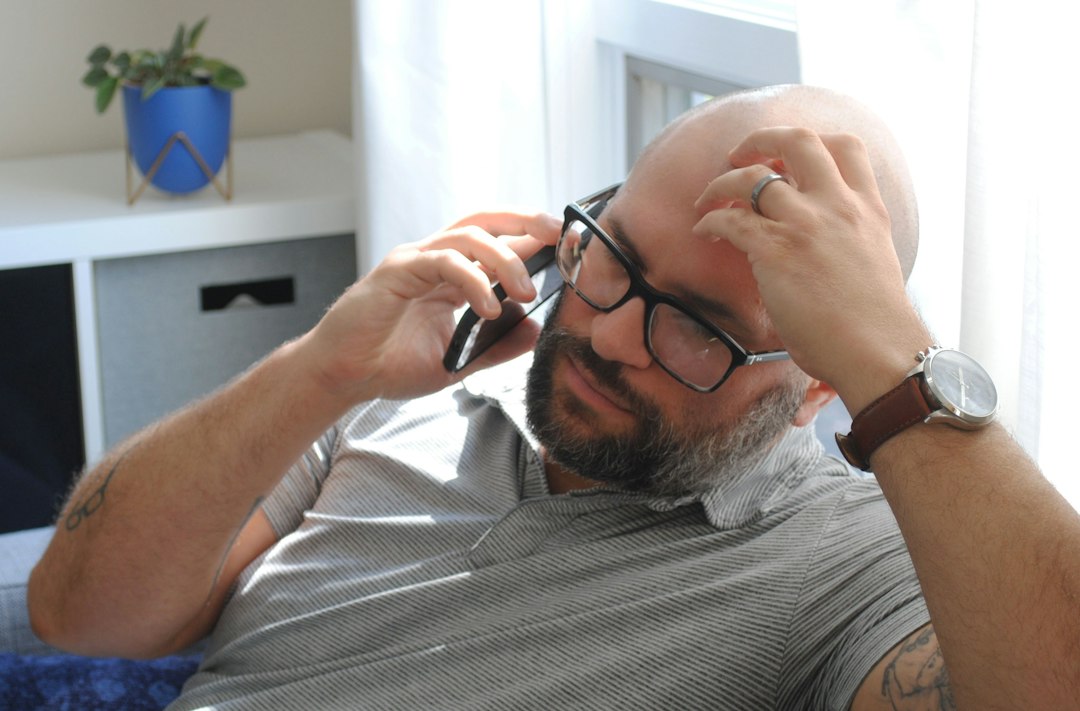
Pattern 1: Men Experience the Apps as a Scarcity Problem
A major theme is unequal attention. Many men feel that they swipe, message and pay without getting enough matches or replies to justify the effort. That complaint is not purely invented by internet commentators. Pew Research found that recent male online daters were much more likely than women to report insecurity over a lack of messages, while women were much more likely to feel overwhelmed by message volume.

Ipsos’ 2025 dating-app research found a similar divide in specific frustrations: men were more likely to complain about bots, limited likes, lack of real-life meetings and matches not replying. Women, meanwhile, were more likely to identify difficulty making a genuine connection and misleading profiles. The problem is real, but it is not the same problem for both sexes.
Pattern 2: Everyone Is Comparing Against a Bigger Market
Creators often describe apps and social media as expanding the perceived dating market. A person no longer compares a date only with classmates, coworkers, neighbors or friends-of-friends. The feed supplies a constant stream of more attractive, wealthier, funnier or more glamorous alternatives.
The strongest version of this observation is psychological, not conspiratorial: more visible options can change expectations and make ordinary people feel replaceable. That does not prove that everyone is secretly holding out for a celebrity-level partner. It does help explain why both men and women can feel that the marketplace is simultaneously crowded and unsatisfying.
Pattern 3: Dating Fatigue Is Not Just a Male Story
The “nightmare for men” framing can hide an important fact: women report burnout too. In 2026, reporting on the matchmaking industry cited high levels of app burnout among both women and men. The complaints differ—women more often raise safety, harassment, overwhelming attention or low-quality options; men more often describe invisibility, rejection and low response—but frustration is not owned by one gender.
This is a useful correction to the creator feed. If both sides believe the other side has the easy experience, the system produces resentment faster than empathy. A more accurate model is that the same platform can create abundance problems for one group and scarcity problems for another.
Pattern 4: Men Are Re-Evaluating the Cost of Participation
Man Guide and similar channels frequently frame withdrawal as rational self-protection. The calculation includes time, subscription costs, dates, rejection, emotional energy and the possibility that a relationship will create more stress than value.
There is nothing irrational about cost-benefit thinking. Dating is optional. But the calculation becomes distorted if the input data comes only from outrage clips. A man deciding that this app is a bad use of time is making a specific decision. A man deciding that all relationships are a bad investment is making a much larger claim that requires much more evidence.
Pattern 5: Standards Are Becoming More Explicit—and More Public
Fresh & Fit and Whatever build entire episodes around people stating standards out loud: income, attractiveness, body count, family roles, age, lifestyle, religion, politics and expectations around provision. The internet then clips the most polarizing answers.
The practical lesson is not to argue strangers into changing their standards. It is to screen earlier. If two people want incompatible family structures, spending habits or relationship roles, discovering that on the first or second date is cheaper than discovering it after six months.
Pattern 6: Reaction Media Rewards the Worst Examples
Darius M, MTR, Man Guide and hundreds of similar channels operate inside an attention economy. A normal date where two people communicate politely is poor reaction content. A shocking confession, hostile rant or spectacular breakup is excellent reaction content.
This does not make the examples fake. It makes them selected. That distinction is central to using creator media intelligently. A bad example can reveal a real failure mode without telling you how common that failure mode is.
Pattern 7: The Best Advice Keeps Coming Back to Agency
Across very different creators, the most transferable advice is surprisingly ordinary: improve your appearance and health, build financial stability, learn to communicate, stop chasing low interest, maintain boundaries, create a life outside dating and be willing to leave incompatible situations.
That is the part of the message worth carrying into the Men’s Self-Improvement & Lifestyle and Red Pill & Male Strategy sections. Agency scales better than grievance because it tells you what to do next.
So Is Dating Actually a Nightmare for Men?
For some men, some parts of modern dating clearly feel punishing—especially app-based competition, low response rates and repeated rejection. Survey data supports several of those frustrations. But the broadest creator claim, that dating as a whole has become hopeless for men, goes beyond what these examples prove.
SSRS found in 2025 that 39% of U.S. adults had used online dating at some point, with current users more likely to be men than women. Pew’s research also found that a slight majority of people who had used online dating described their overall experience positively. The market is frustrating, but it is not a single experience.
The DigitallyDating position is more useful than either extreme: modern dating has structural problems worth understanding, and men should adapt strategically rather than catastrophize. Change apps, improve the profile, meet people offline, widen the social network, change the geography, become more selective, or take a break. “This strategy is failing” is actionable. “Dating is dead” is not.
Where to Go Next
Use the People Shaping Dating & Culture hub to compare the creators themselves, the Dating Apps & Online Dating section for tactical app strategy, and the Relationships & Women archive for what happens after matching and attraction.
Evidence references: Pew Research Center on U.S. online-dating experiences, SSRS online-dating research for 2025, and Ipsos’ 2025 Modern Masculinity dating-app research.
Disclosure: Some links on this site are affiliate links, which means DigitallyDating may earn a commission at no additional cost to you. As an Amazon Associate I earn from qualifying purchases. GearReady links may route to an owned store.
People, Books & Concepts