DigitallyDating Intelligence
Entertainment & Dating Culture: Movies, TV, Gaming, Music and the History of Game

Dating culture does not develop only on dating apps or during real-world dates. Movies, television, reality shows, video games, music, podcasts, streaming culture and older ideas about “game” all help people form expectations about attraction, status, masculinity, femininity, romance, sex and relationships. This hub is DigitallyDating’s guide to separating entertainment from useful dating insight.
The goal is not to treat a movie character, rapper, reality-show contestant or internet personality as a dating authority. Entertainment exaggerates. Editing changes context. Characters are written to create conflict. Performers build personas. What matters is learning how to recognize recurring social patterns without copying behavior that is manipulative, unsafe, disrespectful or simply unrealistic.
Why Entertainment Belongs in a Modern Dating Education
People learn social scripts from stories long before they read relationship research. A romantic comedy may teach that persistence eventually wins someone over. A reality-dating show may make attraction look like a public competition. A game or streaming community may blur friendship, parasocial attention and romantic interest. Music can turn confidence, money, sexual access or emotional detachment into symbols of status. Those messages can influence how men interpret real interactions.
DigitallyDating treats those cultural messages as material to analyze, not rules to obey. A useful question is: what does this story reveal about attention, attraction, social proof, identity or relationship expectations, and what changes when we move from entertainment into real life?
Movies and the History of “Game”
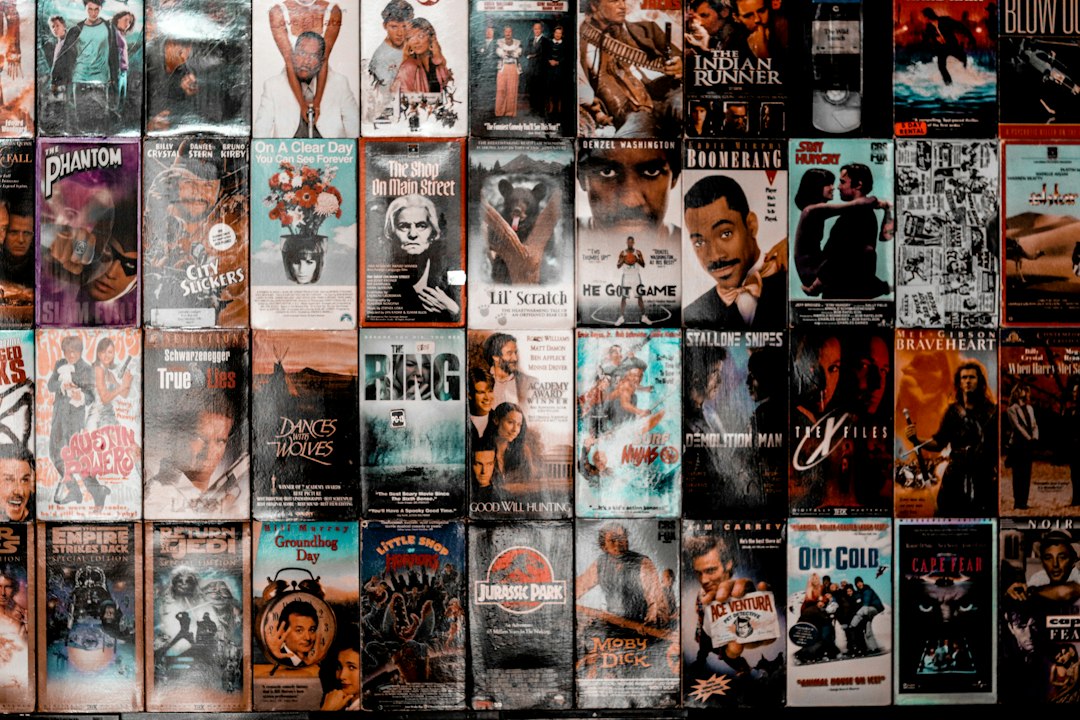
Movies have created some of the most durable dating archetypes: the smooth player, the charismatic mentor, the bachelor who avoids commitment, the underdog who transforms himself, and the persistent romantic who refuses to give up. These characters are memorable because they compress complicated social behavior into an easy story.
Our Movies & Game coverage examines those archetypes without turning them into instruction manuals. Films such as The Mack, Boomerang and Hitch can open useful discussions about persona, charisma, reputation, emotional availability and the difference between influence and control. The productive lesson is usually not “copy the character.” It is to identify which social skill is being dramatized, then separate that skill from the behavior the story uses to create entertainment.
Reality Dating Shows and Public Attraction
Reality dating television turns private attraction into a visible social market. Contestants compare options, react to status shifts, form alliances, experience rejection and make decisions while other people are watching. That makes these shows unusually useful for discussing social proof and choice architecture, but unusually dangerous when viewers forget how heavily produced the environment is.
The TV, Reality Dating & Internet Entertainment section focuses on what viewers can responsibly learn from those environments: how first impressions form, why perceived options change behavior, what public rejection does to decision-making, and how group dynamics affect attraction. Editing, casting incentives, sponsorships and the need to create dramatic episodes are always part of the analysis.
Gaming, Streaming and Parasocial Attraction
Gaming culture is now part of dating culture. Couples play together, people meet through gaming communities, streamers build emotionally intense audiences, and online identity can become as socially important as offline identity. At the same time, repeated exposure to a creator can produce a strong feeling of familiarity even though the relationship remains one-sided.
Our Gaming & Game Culture coverage examines social identity, parasocial attraction, online communities, fictional relationships and the way games represent status and intimacy. The practical guardrail is simple: enjoying a creator, character or online community is normal; treating perceived familiarity as reciprocal romantic access is not.
Music, Player Culture and Persona
Music has preserved and reinvented the vocabulary of dating, masculinity, sexual confidence and player culture for generations. Rap in particular often blends autobiography, performance, exaggeration, comedy and branding. A lyric or stage persona may describe a worldview without proving that the worldview is healthy, accurate or useful in an ordinary relationship.
The Music, Player Culture & Relationship Commentary section studies how artists and regional scenes shaped language around game, status, confidence, loyalty and relationships. We distinguish cultural history from dating advice and avoid converting degrading or exploitative behavior into recommendations.
Street Culture, Oral Histories and the Ethics Problem
Street interviews, memoirs and oral histories can document vocabulary, subcultures and social history that mainstream dating media often ignores. They can also include coercion, exploitation, criminal activity, trauma or myths presented as universal truths. Context matters.
Our Street Culture & Oral Histories coverage treats these sources as history and cultural evidence, not as a behavioral playbook. When a source describes manipulation, violence, pimping, coercion or non-consensual behavior, DigitallyDating analyzes the context without recommending imitation.
A Better Way to Analyze Dating Culture
When you encounter a dating lesson in entertainment, break it into layers. First identify the observable behavior: eye contact, humor, confidence, social status, vulnerability, persistence, jealousy, boundary-setting or avoidance. Next ask whether the result depends on a fictional script, editing or celebrity status. Then ask whether the same behavior respects consent and gives the other person an easy way to say no. Finally, decide whether the idea improves real communication or merely creates a dramatic scene.
This framework keeps the useful part of cultural analysis while filtering out manipulation. Confidence can be useful; entitlement is not. Social proof can affect perception; manufacturing jealousy is different. Humor can lower tension; humiliation is not flirting. Persistence in a screenplay may be romanticized; in real life, a clear no should end the pursuit.
How This Hub Connects to the Rest of DigitallyDating
Entertainment analysis should lead back to practical dating skills. If a movie raises questions about charisma or confidence, compare the lesson with Attraction & Seduction. If a show focuses on messaging, choice or profiles, continue into Dating Apps & Online Dating. If the subject is classic pickup culture, use PUA & Classic Game for historical context and modern guardrails. If the issue is commitment, jealousy or boundaries, move to Relationships & Women.
Entertainment Can Inspire a Date Without Becoming Dating Advice
Movies, games and shared entertainment can also be useful because they give couples and dates something to do together. Instead of copying a fictional player or reality-show contestant, use entertainment as a low-pressure shared-interest layer: watch a movie, play a cooperative game, compare a show, attend a concert or build a date around a mutual fandom.
For current recommendations, shopping ideas and approved monetization resources, use the DigitallyDating Resources hub. That page is the preferred path for GearReady and other vetted offers rather than old or retired merchant links.
The Bottom Line
Entertainment is powerful because it gives dating ideas a face, a soundtrack and a story. The safest way to use it is neither to dismiss it nor to imitate it literally. Study the social pattern, verify the real-world principle, remove manipulation and coercion, then connect the useful lesson to practical communication, boundaries, self-improvement and relationship skills. That is the purpose of DigitallyDating’s Entertainment & Dating Culture hub.
Disclosure: Some links on this site are affiliate links, which means DigitallyDating may earn a commission at no additional cost to you. As an Amazon Associate I earn from qualifying purchases. GearReady links may route to an owned store.
People, Books & Concepts