
DigitallyDating Intelligence
Pimpin’ Ken, Pimpology, and the Player-Culture Vocabulary That Crossed Into Mainstream Media

Ken Ivy, better known as Pimpin’ Ken, is a street-culture figure whose language and persona crossed into documentaries, books, hip-hop and mainstream entertainment. For DigitallyDating, his importance is historical and cultural: he helps explain where a large part of the “game,” “player,” “mack,” “human chess” and power-dynamics vocabulary came from before those ideas were recycled through pickup culture, rap lyrics and internet dating commentary.
The official Simon & Schuster biography identifies Ivy as a Chicago-born figure who became known through HBO projects including Pimps Up, Ho’s Down and American Pimp, then appeared across music and media. His 2008 book Pimpology: The 48 Laws of the Game, written with Karen Hunter, turned an oral street tradition into a commercial relationship-and-power book.

Why Pimpology Became Bigger Than Its Original World
Pimpology was marketed as a set of “laws” that could be applied not only to street life but to work, friendships and relationships. That portability is the reason its vocabulary traveled. Readers could strip away the literal setting and reinterpret the material as lessons about leverage, persuasion, emotional control, status and negotiation.
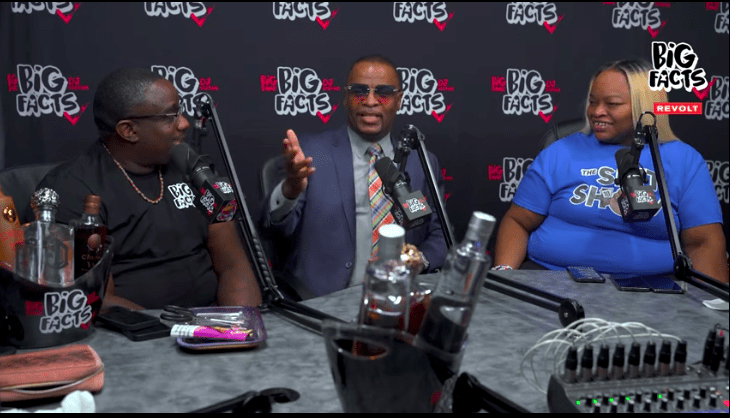
That same translation happened in hip-hop. Ivy’s public biography lists appearances connected to artists including Jermaine Dupri, Too $hort, Lil Jon, Lil Flip, Mack 10 and 50 Cent. Once the vocabulary entered popular music and video, millions of people encountered the persona without ever reading the original book or understanding the street history behind it.
The Difference Between Studying the Culture and Copying It
This distinction is essential. Pimping involves exploitation and coercive power. DigitallyDating does not convert that conduct into a dating method. The historical value lies in understanding the rhetoric, incentives and cultural transmission—not in reproducing abuse.
A modern reader can study why certain persuasion tactics work, how status signals influence perception or how people use scarcity and attention as leverage while still rejecting manipulation, coercion and financial exploitation. Ethical dating requires agency, consent and reciprocity.
What “Human Chess” Can Mean Without Manipulation
In more recent interviews, Ivy has discussed what he calls the “Art of Human Chess”—understanding how people, incentives, deception and power interact. In a dating context, the ethical version of that idea is simply strategic awareness: pay attention to incentives, notice contradictions, do not reveal more commitment than the relationship has earned and understand that words and behavior can diverge.
The line is clear. Awareness protects your decision-making. Manipulation tries to override someone else’s. The first belongs in modern dating strategy; the second does not.
From Street Persona to Author, Mentor and Media Figure
Ivy’s contemporary public presence is broader than the old persona. A 2024 Breakfast Club interview presented him as an author and founder/chairman of a hip-hop fraternity, while other recent interviews frame his current message around business, self-education, avoiding exploitation and understanding systems of control.
That evolution matters because it demonstrates a recurring pattern in the people covered by this site: the public figure can outgrow the original niche while the old language continues circulating independently through culture.
What Dating Advice Can Actually Keep
The useful modernized lessons are limited but real: do not be naive about incentives; learn to communicate with confidence; maintain emotional control; understand that presentation affects perception; negotiate instead of pleading; and recognize when another person is attempting to exploit your desire for approval.
Those ideas belong beside Dating Books & Theory and the Entertainment & Dating Culture archive, not as a literal instruction manual for romantic relationships.
Pimpin’ Ken in the DigitallyDating Culture Map
Pimpin’ Ken belongs in the street-culture and oral-history branch of the People Shaping Dating & Culture project. His importance is the bridge between oral street traditions, commercial books, documentaries, hip-hop and later internet “game” language.
Codex verdict: study the vocabulary, power analysis, negotiation mindset and cultural transmission; reject coercion, exploitation and treating intimate partners as resources to control. Historical literacy is useful precisely because it lets modern readers separate the transferable insight from the conduct that should stay in the past.
Primary references: Simon & Schuster’s Pimpin’ Ken author page, the official PimpinKen.net archive, and contemporary public interviews.
Disclosure: Some links on this site are affiliate links, which means DigitallyDating may earn a commission at no additional cost to you. As an Amazon Associate I earn from qualifying purchases. GearReady links may route to an owned store.



People, Books & Concepts