DigitallyDating Intelligence
Bishop Don Magic Juan: From Street Culture to Hip-Hop, Film, Television, and Media Icon
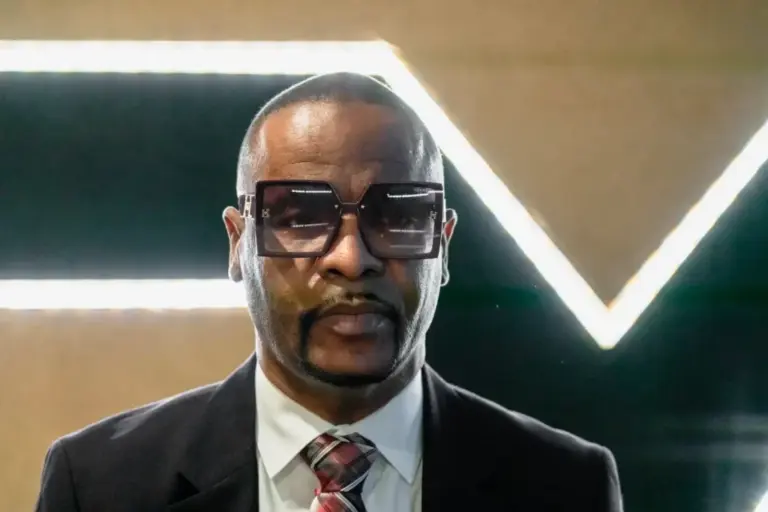
Bishop Don Magic Juan is one of the most visually recognizable figures to carry old-school player and pimp culture into hip-hop, film, television and celebrity media. Born Donald Campbell and rooted in Chicago, he later built a public identity that mixed street history, flamboyant fashion, spirituality, entertainment and what he calls the “Church of the Game.”
His official site now presents him primarily as an entertainer, spiritual leader and hip-hop cultural icon. That contemporary framing matters because his public story is not simply about the street persona. It is also a reinvention story: a figure associated with pimp culture who later adopted the title Bishop and built a media identity around preaching, storytelling and cultural memory.
From Chicago Street Culture to the Public Persona
In interviews, Campbell has explained that “Don Juan” grew out of the name people used for him as a young man, “Magic” came later from his reputation in street culture, and “Bishop” followed his religious conversion and involvement with the church. His current biography describes a life spanning the Players Ball, music, film, television, fashion, spirituality and celebrity culture.
That makes him a useful oral-history source. His persona preserves language, fashion and social rituals from a subculture that later became stylized in rap music and mainstream entertainment.
Why Hip-Hop Adopted the Image
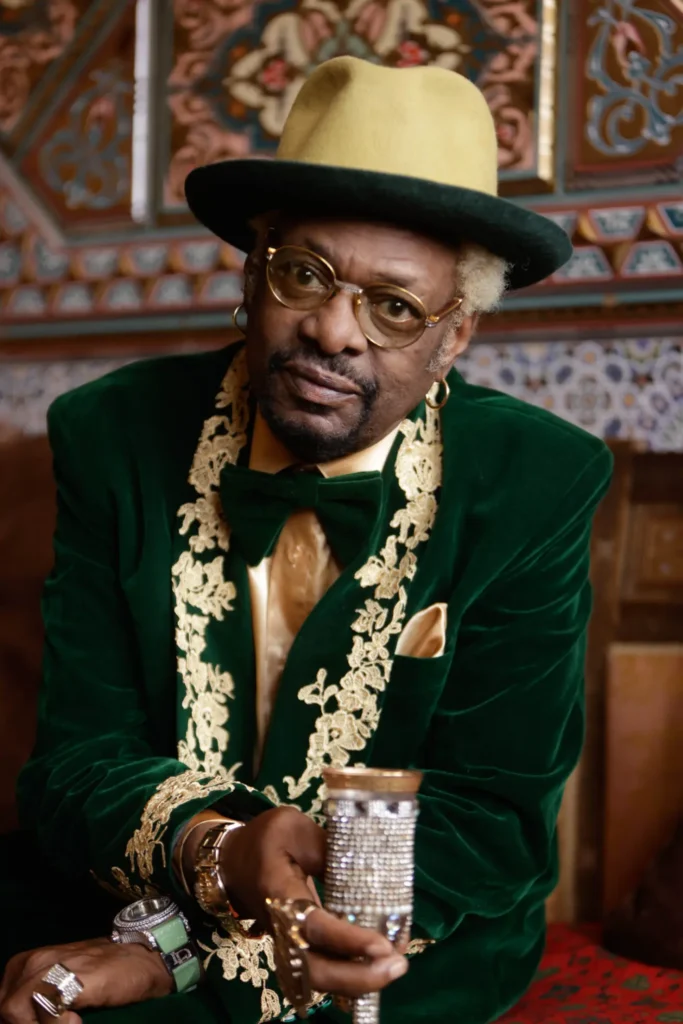
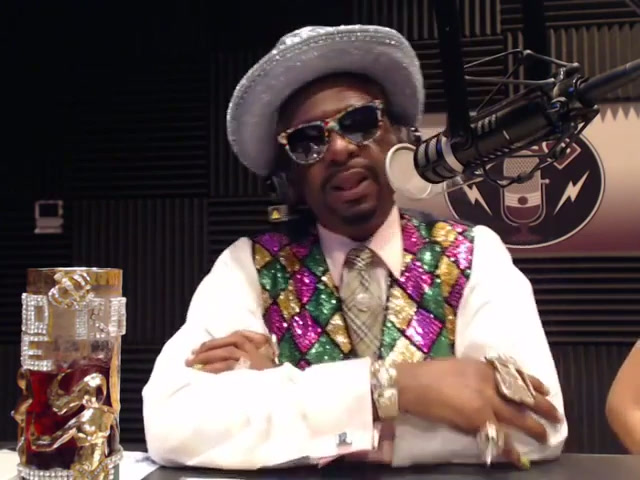
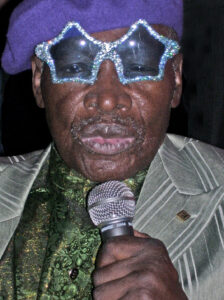
The visual vocabulary was impossible to miss: tailored suits, oversized hats, jewelry, jeweled cups, bright colors and a highly theatrical form of self-presentation. Hip-hop already valued status signaling, confidence and memorable character, so the player aesthetic translated easily into music videos, red carpets, comedy, interviews and celebrity cameos.
That influence is cultural rather than a recommendation to imitate the underlying street economy. The public image became entertainment long after many viewers had lost contact with the real exploitation that the original lifestyle involved.
The Reinvention Is Part of the Story
The official Bishop Don Magic Juan archive emphasizes transformation from street life toward ministry and spiritual leadership. Recent material revisits old interviews specifically to show that transition, while contemporary appearances keep the colorful persona intact.
That combination—keeping the recognizable character while changing the public mission—is one reason he remained culturally visible. Reinvention does not erase the past, but it changes what the past is used for. The street history becomes story, warning, mythology and entertainment rather than a literal occupation to copy.
What “Game” Can Mean in a Modern Dating Context
At its safest and most useful, “game” means social awareness: presentation, confidence, timing, storytelling, knowing how you are perceived and understanding the incentives in a situation. Those skills can be discussed without exploitation.
DigitallyDating draws a hard line at coercion, manipulation and treating people as income-producing assets. Those practices belong to the history being documented, not to a modern dating playbook. Consent, reciprocity and personal agency are the baseline.
The Style Lesson: Identity Is Communication
One transferable lesson is the power of visual identity. Bishop Don Magic Juan created a look so distinctive that a photograph can communicate the character before he says a word. Most men do not need rhinestone glasses or a jeweled cup, but they do need to understand that clothing, grooming, posture and consistency tell a story.
The modern version is simple: build a presentation that fits your actual personality and environment. The goal is not costume. It is coherence. A man who looks intentional is easier to read and remember than a man whose presentation communicates nothing.
Bishop Don Magic Juan in the DigitallyDating Culture Map
Bishop Don Magic Juan belongs in the Street Culture & Oral Histories and Entertainment & Dating Culture branches of the People Shaping Dating & Culture project.
Codex verdict: valuable as cultural history, reinvention, branding and social-performance study. Keep the lessons about presentation, confidence, storytelling and identity; reject exploitation and coercive relationship models. The point of studying the old vocabulary is to understand where modern dating culture came from, not to recreate its worst practices.
Primary current reference: official Bishop Don Magic Juan site, including its biography and interview archive documenting his Chicago roots, media career and transformation into the “Church of the Game” persona.
Disclosure: Some links on this site are affiliate links, which means DigitallyDating may earn a commission at no additional cost to you. As an Amazon Associate I earn from qualifying purchases. GearReady links may route to an owned store.


People, Books & Concepts